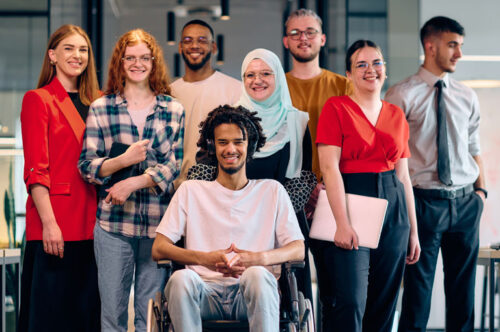
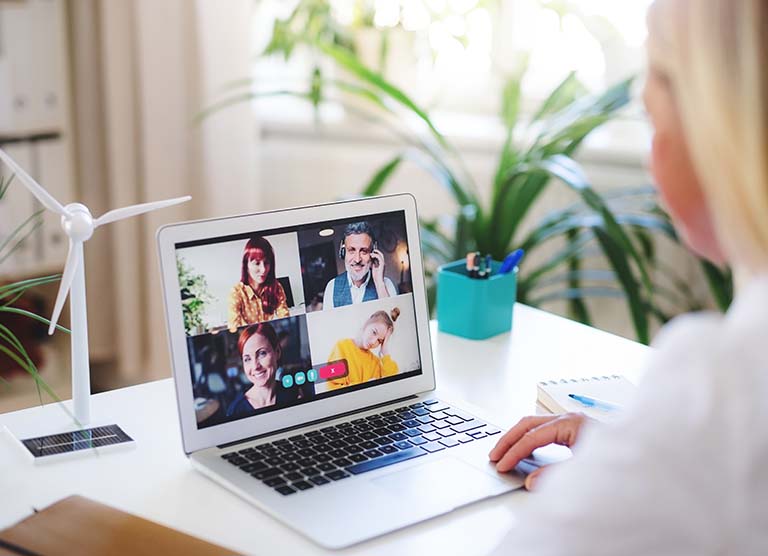
Creating connection in hybrid and remote teams presents unique challenges that don’t exist when everyone works in the same location. The spontaneous conversations that naturally occur in traditional offices, those impromptu coffee chats and corridor catch-ups, have long been the backbone of workplace relationships. But when managing remote and hybrid teams, you face a new challenge: how do you build genuine trust and connection when your team members are working from different locations, or when some are in the office whilst others are at home?
The connection challenge
Without the natural opportunities for informal interaction, remote and hybrid teams can quickly develop communication silos. Remote workers may feel disconnected from their office-based colleagues, while important information gets trapped in separate conversations. The result? A fragmented team where trust struggles to take root and collaboration suffers.
Establishing clear communication guidelines
The foundation of trust in remote teams lies in establishing clear expectations around communication. Rather than leaving team members to navigate different ways of responding on their own:
- Set clear guidelines about what form of communication to use for tasks such as brainstorming, quick questions or delivering feedback
- Establish core hours when everyone is available online to prevent frustration from unanswered messages
- Agree on minimum response times so no one feels ignored or undervalued
These are just a few examples of what managers can do to establish effective communication habits in the team.
Creating opportunities for connection
Building relationships in remote and hybrid teams requires intentional effort. Here are some ways to foster genuine connections:
- Create dedicated social channels where team members can share non-work conversations
- Celebrate wins publicly through meetings or shared channels
- Encourage informal video catch-ups, not just formal meetings
There are many more ways to create social connections within both remote and hybrid teams. Get creative about what might work with your team!
Fostering meaningful collaboration
Trust develops through working together on meaningful projects. Rather than assigning work in isolation, assign team members to shared projects that require genuine collaboration. Trust and a collaborative attitude can be fostered through mentorship, peer-to-peer learning.
The power of video connection
Encouraging video calls rather than voice-only meetings makes a significant difference to relationship building. When team members can see facial expression and body language, they connect on a more human level, making it easier to build the psychological safety that underpins strong working relationships.
Of course, successful video meetings depend on everyone understanding proper online meeting etiquette. Good netiquette creates a more professional, inclusive environment where meaningful connections can flourish.
Making it work for your team
Building trust in remote and hybrid teams isn’t about replicating the office experience online, it’s about creating new rituals and practices that work for your specific team. This becomes particularly important when managing diverse teams, where different backgrounds, communication styles and working preferences need to be accommodated to create truly inclusive environments.
Focus on these key areas:
- Be intentional about creating connection opportunities that include everyone
- Maintain focus on meaningful work collaboration as well as social connection
- Regularly check in with team members about what’s working and what isn’t
Our Managing a Remote or Hybrid Team online course provides practical strategies and tools to help you build strong, trusting relationships within your remote and hybrid teams, covering everything from communication frameworks to celebrating success across different working arrangements. For team members looking to enhance their own remote working skills, our Effective Remote Working online course offers guidance on staying focused, productive and maintaining healthy work-life balance when working from home.